
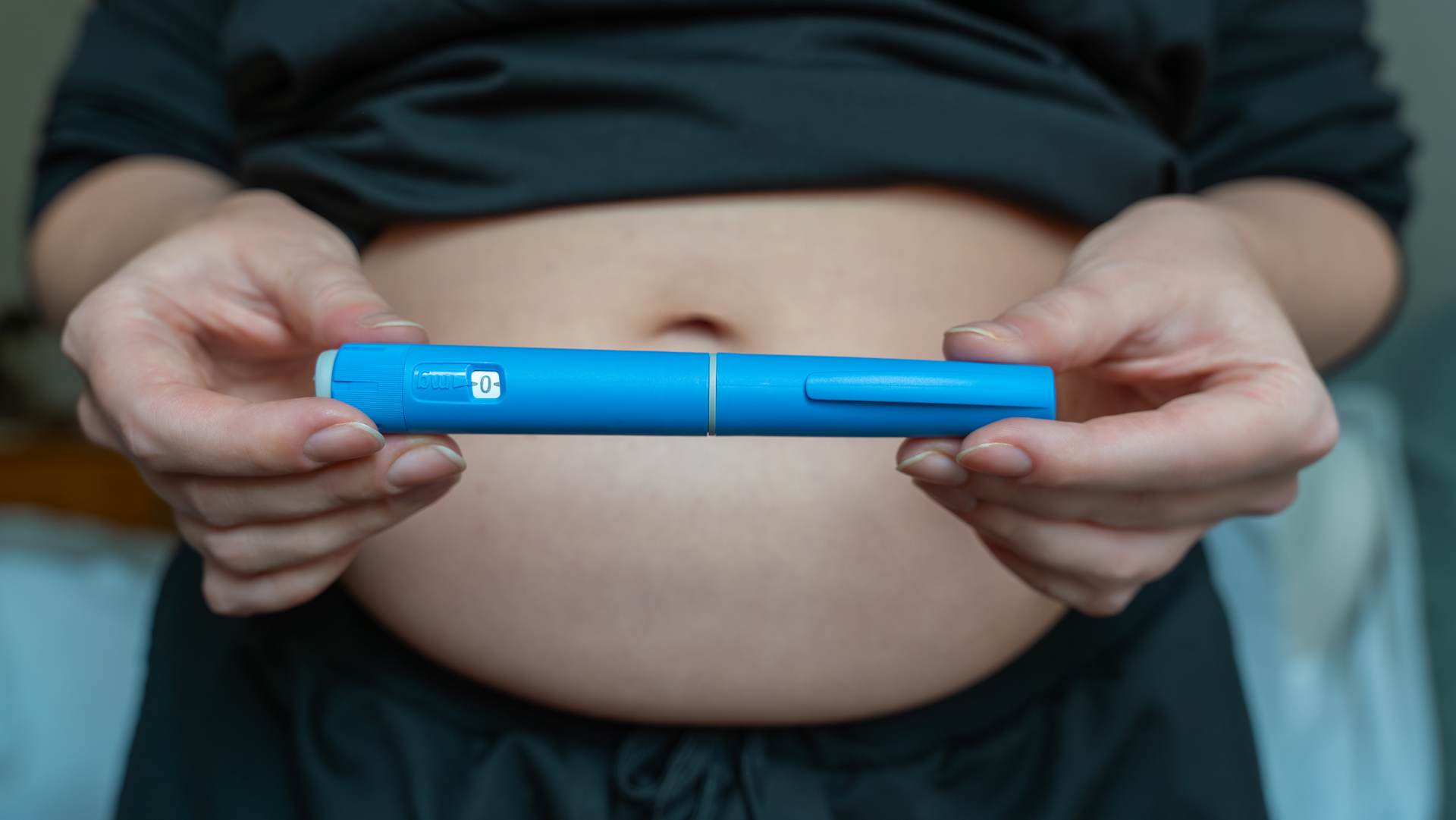
GLP-1 Weight Loss After 40: What Every Woman Needs to Know
Barely a week goes by that someone doesn't ask me what I think about Ozempic or GLP-1 drugs. And I get it. These medications are everywhere right now. Your friends are talking about them. Your doctor may have mentioned them. You've probably seen the before-and-after photos on social media.
I'm not here to tell you they're bad. That's not an honest answer, and it's not a helpful one either.
What I am here to do is give you the full picture. Because in my experience, most women are making this decision without all the information they deserve to have.
I'll be transparent with you. I struggled with my weight for most of my life. I tried everything. It wasn't until I worked with a Functional Medicine provider who actually helped me learn how to live and eat that things started to change. He told me I was headed toward diabetes if I didn't make some changes. That was my turning point. Not a prescription. A new way of living.
That experience is exactly why this conversation matters so much to me. The quick fix is always appealing. I know because I chased it for years. But the bottom line is this: no drug will ever overcome the way you live! And every woman deserves to know that before she makes this decision.
KEY TAKEAWAYS
GLP-1 drugs can produce real results and may be the right tool for some women
Most women regain the weight after stopping, especially if their lifestyle hasn't been addressed at the same time
The side effects and lawsuits are real, and you deserve the full picture before you decide
If GLP-1 drugs are part of your plan, Functional Medicine experts suggest low-dose use alongside root-cause lifestyle work, with a provider who knows your full health picture
Your body can release weight naturally when you address the root causes
No drug will ever overcome the way you live.
– Shellee Methe
What GLP-1 Drugs Actually Do
Here's something most people don't realize. GLP-1 is not a drug. It's a hormone your body already makes.
GLP-1, or glucagon-like peptide-1, is released naturally in your gut when you eat. It signals your brain that you're full, slows digestion, and helps regulate blood sugar after meals. When it's working the way it should, you feel satisfied, your cravings are manageable, and your blood sugar stays relatively stable.
GLP-1 drugs like Ozempic, Wegovy, and Mounjaro don't create something new in your body. They mimic or amplify that hormone signal. That's why women on these medications often report less food noise, smaller appetite, and steadier blood sugar. In clinical trials, people lost between 10 and 20 percent of their body weight over 12 to 16 months.¹
For women with significant obesity, type 2 diabetes, or high cardiovascular risk, that can be meaningful. I'm not dismissing that. There is a legitimate place for these medications in certain situations.
But here's the question worth asking. If GLP-1 is a hormone your body already produces, why isn't it working the way it should? Keep reading. That answer might surprise you.
The Problem Nobody Wants to Talk About
GLP-1 drugs work while you're taking them. For many women, that's real, and that's significant. But what happens when you stop?
The research is pretty consistent on this. Studies show that most people regain a significant amount of the weight within a year of stopping,² with some data showing up to two-thirds of the weight lost coming back.³ One tirzepatide trial follow-up found that 82 percent of people who stopped the medication regained at least 25 percent of their initial weight loss within a year, along with the blood sugar and cholesterol improvements they had gained.⁴
That's not a personal failure. That's what happens when the drug goes away and nothing else has changed.
The stress is still there
The sleep deprivation is still there. ⁵
The hormonal shifts of midlife are still there
The gut imbalance is still there
The processed food habits are still there
The nervous system running on empty is still there
The drug was managing the symptoms. It wasn't healing what was driving them.
What I've seen in the women I work with is that the ones who do maintain their results after stopping are almost always the ones who used that time on the medication to genuinely rebuild how they eat, move, sleep, detox, and manage stress. The drug became a bridge, not a destination.
The bottom line is this. If you're going to use a GLP-1, please work on your lifestyle while you're on it. That's what makes the transition off successful. That's what makes the results last.
You might also like: Why Sleep Is Your Secret Weapon for Weight Loss After 40
The Side Effects and Lawsuits Are Real
This is the part of the conversation that doesn't always make it into the brochure. And I think you deserve to know it.
Like any medication, GLP-1 drugs come with side effects. The most common ones are nausea, vomiting, diarrhea, constipation, bloating, and acid reflux. For many women, these are manageable, especially at lower doses. For others, they're significant enough to stop the medication altogether.
The more serious risks include gallbladder disease, pancreatitis, severe delayed stomach emptying, and acute kidney injury in vulnerable patients. There is also a theoretical thyroid tumor risk that showed up in animal studies, with unclear long-term implications for humans.⁵
Beyond the side effects, there are active lawsuits against the manufacturers claiming they were not fully transparent about serious gastrointestinal complications during testing.⁶ The FDA has also issued a warning to at least one manufacturer for failing to fully report adverse events.⁷
I'm not sharing this to scare you. I'm sharing it because informed consent matters. Any decision about medication should be made with a provider who knows your full health picture, understands Functional Medicine principles, and is willing to have an honest conversation about both the benefits and the risks.
You deserve that conversation. Don't settle for anything less.
This is the question no one is asking:
Why isn't your body producing and responding to GLP-1 the way it should?
What's Actually Driving Your Weight Gain?
Here's the real question nobody is asking. Why isn't your body producing and responding to GLP-1 the way it should?
This is the question I spent years trying to answer in my own body. I tried every diet. I did everything I was told. And it wasn't until a Functional Medicine provider sat down with me and actually looked at the full picture that things started to make sense. He didn't just look at my weight. He looked at my life.
What I've seen in the women I work with is that excess weight is rarely about one thing. It's almost never about willpower. What it usually is about is a body that is out of balance in one or more key areas.
Chronic stress keeps cortisol elevated, which drives insulin up, which tells your body to store fat, especially around your midsection.⁸
Poor sleep disrupts the hormones that regulate hunger and fullness, so you wake up already fighting cravings before breakfast.⁹
The hormonal shifts of perimenopause and menopause change how your body processes food, builds muscle, and stores fat in ways that make what worked in your 30s completely ineffective in your 40s and 50s.
Add in gut dysbiosis, toxin exposure, ultra-processed foods, and a nervous system that hasn't had a chance to truly rest in years...
And you have a body doing exactly what it was designed to do under those conditions. Holding on.
Doctors like Mark Hyman, Jill Carnahan, Dr. Josh Axe, Dr. Daniel Pompa, and Dr. Livingood all point to the same truth. Your body could be producing and responding less to GLP-1 because it has been living in a stressful, sleep-deprived, toxin-heavy, nutrient-poor environment and doing its best to survive it.
That's not a drug problem. That's a lifestyle problem. And lifestyle problems have lifestyle solutions.
You might also like:
Stressed, Stuck, and Still Gaining Weight? How to Lose Weight After 40
It's Programming Your Body to Store Fat but Your Doctor Doesn't Know About It
Mistaken Identity: The Hidden Stressor Robbing Women of Their Health
Not sure which root causes are driving YOUR weight gain? Take the free 'What's Blocking YOUR Weight Loss?' quiz for instant results at: InspiredWell.org/Quiz
Your Body Can Boost Its Own GLP-1
This is the part I love talking about most.
If your body already makes GLP-1, the goal isn't to replace it with a drug. The goal is to give your body what it needs so it can do its job the way it was designed to.
The good news is that the research is very clear on what is important:
the foods you eat
the way you move
the health of your gut
how well you sleep
how well you manage stress
All of these directly affect how much GLP-1 your body produces and how well it responds to it.
Protein at every meal is one of the most powerful triggers for natural GLP-1 release.¹⁰ So is fiber from vegetables, legumes, fruit, and whole grains. Resistant starch, the kind found in foods like cooked and cooled potatoes, oats, and legumes, is particularly supportive. Polyphenol-rich foods like berries, olive oil, green tea, and even dark chocolate play a role too.
Daily movement matters, especially walking after meals and resistance training to build and maintain muscle. Your gut microbiome matters as well.
Organic psyllium husk powder is another simple, affordable tool worth knowing about. This soluble fiber can reduce hunger by up to 30 percent, help you feel full faster, stabilize blood sugar, and support weight loss, all by working with your gut the way nature intended and helping your body do what GLP-1 was designed to do in the first place.
Dr. Livingood has a great breakdown of how to use it correctly. Watch it here: What Happens If You Eat Psyllium Husk EVERY DAY For 30 Days?
Research on a microbe called Akkermansia muciniphila shows a strong connection between healthy levels of this bacteria and better metabolic health, healthier weight, and improved GLP-1 response. People with obesity and insulin resistance tend to have lower levels of it.¹¹ I had my own stool testing done a few years ago and my Akkermansia levels were low. It was one more piece of my own puzzle that pointed me toward gut health as a key part of the picture.
Pendulum Probiotics are akkermansia supplements I take. You can get them on my fullscript site and you get 20% off! (please talk to your medical provider before making any changes to your supplements)
Functional Medicine doctors have been saying this for years. Your body is not broken. It is responding to its environment. Change the environment and you change the response.
You don't need an injection to access this pathway. You need the right information and a plan that actually addresses what's going on in your body.
That's exactly what I help women do.
Frequently Asked Questions
Should I take GLP-1 drugs?
That's a decision that should be made with a provider who knows your full health history, not a social media post or a friend's experience. What I will say is this. If you're considering them, please don't use them in isolation. The women who see lasting results are the ones who pair them with real lifestyle work at the same time. The drug can be a bridge. It was never designed to be the destination.
What if I'm already on them?
Keep working with your provider. I'm not here to talk you out of anything. What I would encourage you to do is use this time wisely. Work on how you're eating, how you're sleeping, how you're managing stress, and how you're moving. Build healthy habits now so that when you transition off you will be successful.
What causes GLP-1 to decline?
Several things work against your body's natural GLP-1 production. A diet high in ultra-processed foods and refined sugar is a big one. Chronic stress, poor sleep, a sedentary lifestyle, gut dysbiosis, and the hormonal shifts of perimenopause and menopause all play a role. The bottom line is that modern life works against this hormone in almost every direction, which is exactly why so many women feel like their body is fighting them.
What can I do to increase my body's own GLP-1 production?
Start with protein at every meal, add fiber from vegetables (raw or cooked aldente), fruit, and legumes, and include resistant starch like oats and legumes regularly. Move your body daily, especially after meals. Support your gut microbiome with pre and pro biotic and fermented foods. Manage stress and prioritize sleep. These are not complicated ideas. They are just consistently underestimated ones.
Are the side effects serious?
They can be. Common side effects like nausea, vomiting, and digestive issues are reported frequently and are significant enough that many women stop the medication. More serious risks including gallbladder disease, pancreatitis, and kidney injury are less common but real. There are also active lawsuits and an FDA warning related to how side effects were disclosed during testing. This is why working with a knowledgeable provider matters and why you deserve a full conversation before you start.
How do I know what's actually blocking my weight loss?
That's exactly the right question. And it's one most women never get a real answer to because nobody has ever looked at the full picture with them. I created a free quiz specifically to help you figure this out. It takes just a few minutes and gives you instant results so you can finally see what's actually standing between you and the results you've been working so hard for.
The Bottom Line
GLP-1 drugs are not evil. They are not a miracle either.
What they are is a tool. And like any tool, the outcome depends entirely on how you use it and whether you're addressing the root cause at the same time.
Your body was designed to regulate hunger, manage blood sugar, and maintain a healthy weight. When it's not doing those things, that's a sign something is out of balance. It's not a personal failure. It's information. And information is something we can work with.
What I've seen in the women I work with is that when you address the root causes, when you give your body more of what it needs and less of what it doesn't, real change becomes possible. Not the kind that disappears when you stop a medication. The kind that stays because you've actually changed the conditions your body is living in.
No drug will ever overcome the way you live. But the way you live can absolutely transform your health!
If you're ready to stop guessing and start understanding what's actually going on in your body, that's exactly where I can help.
Take the free 'What's Blocking YOUR Weight Loss?' quiz. Instant results. Find out what's standing in your way.
RELEASE THE WEIGHT. TRANSFORM YOUR HEALTH. RECLAIM YOUR LIFE.
Educational Disclaimer
This blog post is for educational purposes only and does not constitute medical advice. The information shared here is not intended to diagnose, treat, cure, or prevent any disease or health condition. Always consult with a qualified healthcare provider before starting, stopping, or changing any medication or health program. Shellee Methe operates within the scope of practice of a Functional Medicine Certified Health Coach.
References
1. Baylor Scott and White Health. GLP-1 medications explained: Benefits, risks and how they work. https://www.bswhealth.com/blog/glp-1-medications-explained-benefits-risks-how-they-work
2. The Lancet EClinicalMedicine. Trajectory of weight regain after cessation of GLP-1 receptor agonists. https://www.thelancet.com/journals/eclinm/article/PIIS2589-5370(26)00043-X/fulltext
3. Oxford University. New study finds that stopping weight-loss drugs is linked to faster regain than ending a diet. https://www.ox.ac.uk/news/2026-01-08-new-study-finds-stopping-weight-loss-drugs-linked-faster-regain-ending-diet
4. AARP. What happens when you stop taking GLP-1 weight loss drugs. https://www.aarp.org/health/drugs-supplements/stopping-glp-1-weight-regain/
5. Cleveland Clinic. GLP-1 Agonists. https://my.clevelandclinic.org/health/treatments/13901-glp-1-agonists
6. ClassAction.org. Lawsuits claim Novo Nordisk, Eli Lilly failed to properly disclose side effects of GLP-1 drugs. https://www.classaction.org/news/lawsuits-claim-novo-nordisk-eli-lilly-failed-to-properly-disclose-debilitating-side-effects-of-glp-1-weight-loss-drugs
7. FDA Warning Coverage. FDA issues warning to Novo Nordisk over alleged failure to report adverse effect. https://www.bswhealth.com/blog/glp-1-medications-explained-benefits-risks-how-they-work
8. KIRO7. The truth about cortisol, aging, and weight loss in women. https://www.kiro7.com/news/truth-about-cortisol-aging-weight-loss-women/U7WMD32UMFNZ7HDRDPP6MDDI3Y/
9. PMC. Sleep duration and weight gain in women. https://pmc.ncbi.nlm.nih.gov/articles/PMC3496783/
10. Ohio State Health and Discovery. How to activate GLP-1 naturally. https://health.osu.edu/wellness/exercise-and-nutrition/activiating-glp-1-naturally
11. PMC. Akkermansia muciniphila and metabolic health. https://pmc.ncbi.nlm.nih.gov/articles/PMC10301191/


